
Art & Immortality
A painting possesses a rare defiance of time. Long after the moment of its creation has passed, the surface continues to carry the living trace of the hand that made it, the pressure of the brush, the hesitation before a line, the quiet conviction behind a form. When someone chooses to collect a painting, they are not merely acquiring an object to decorate a room; they are choosing to participate in the long life of that gesture. The work moves from the solitude of the studio into the custody of another life, where it continues to exist, to be seen, and to be felt. In this way, collecting becomes an act of preservation, a deliberate refusal to let the artist’s moment of vision disappear.
To live with paintings is to surround oneself with fragments of time that do not fade. Each canvas carries the memory of its making, yet it also absorbs the atmosphere of every place it inhabits. A collector becomes a steward of this continuity, holding the work through one chapter of its existence before it inevitably travels onward. What is purchased, in essence, is not only the painting itself but a place within its story, a quiet participation in the endurance of another person’s imagination. The brushstrokes remain alive not because they resist aging, but because they continue to be seen, contemplated, and passed forward.
In this sense, collecting painting approaches a kind of immortality. The artist’s vision survives through the care of those who recognize its value, and the collector becomes part of that chain of survival. A canvas may outlast generations, carrying with it both the spirit of its maker and the legacy of those who chose to preserve it. What begins as a private act of creation gradually becomes a living artifact, moving through time with the quiet authority of something that refuses to vanish. To collect art, then, is to step into that continuum, to ensure that a human moment, once painted into existence, continues speaking long after all of us are gone.
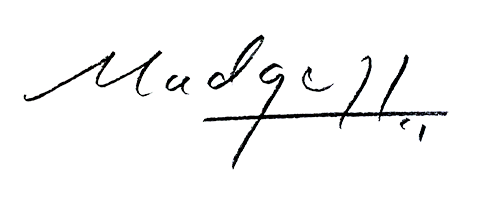
The Christopher Mudgett archive collection is the only one in the world to present the artist’s up-to-date painted, sculpted, engraved and illustrated œuvre and a precise record—through sketches, studies, drafts, notebooks, photos, books, films and documents—of the creative process.
© 2026 MUDGETT ARCHIVE