
Brush It Off
Painting offers a way to give form to what we struggle to express in words. It is not about replicating reality or pursuing perfection, but about allowing something internal to surface. Each brushstroke becomes a gesture, a thought made visible, a way of transferring the weight of our experiences onto the canvas. Grief, frustration, fear, confusion, and joy find their way into the colors, textures, and movements we create, often before we fully understand what we are feeling. Sometimes the process is quiet and almost meditative; other times, it is raw, chaotic, and confronting. In either case, painting creates a space where emotions can move freely, where what has been buried or left unspoken can emerge without the need for explanation.
Through painting, we do more than release what we carry; we transform it. The canvas becomes a place where pain can take on beauty, chaos can become composition, and uncertainty can open the door to new possibilities. What begins as a private expression can grow into something larger, amplifying an emotion until it becomes tangible, even recognizable to others. A personal experience finds resonance beyond the individual, connecting with feelings that others may have struggled to articulate themselves. In this sense, painting is not an escape from what hurts, but a way of engaging with it physically and creatively, allowing the canvas to hold what we can no longer carry alone. It does not resolve everything, nor does it need to. Sometimes, it simply helps us see what is within us, make room for it, and begin to understand it differently. To paint, then, is to let go without looking away, to turn feeling into form and, stroke by stroke, discover that even the heaviest experiences can become the starting point for something new.
The Christopher Mudgett archive collection is the only one in the world to present the artist’s up-to-date painted, sculpted, engraved and illustrated œuvre and a precise record—through sketches, studies, drafts, notebooks, photos, books, films and documents—of the creative process.
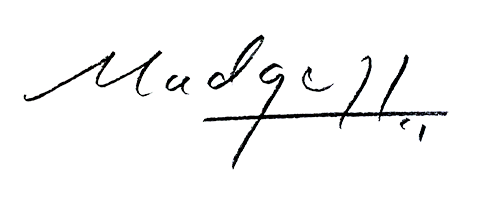
© 2026 MUDGETT ARCHIVE