
Price We Pay
Pursuing painting is often described as a life of passion and creative freedom, yet beneath that surface lies a series of quiet and ongoing sacrifices. To paint seriously is to invest emotionally in every canvas, which makes rejection and criticism feel deeply personal. The vulnerability required to create meaningful work can bring periods of self-doubt, anxiety, and even burnout. What appears outwardly as inspiration is often sustained by inner resilience.
The financial reality can be equally demanding. Painting rarely offers steady income, and many artists support their practice through other work, balancing creative ambition with practical necessity. This instability can be stressful, yet the alternative, walking away from the studio, often feels heavier. At the same time, painting asks for time in generous amounts: long hours alone refining technique, building cohesive bodies of work, and preparing for exhibitions. Relationships, rest, and everyday experiences can quietly be sacrificed in service of the work, and the solitude that nurtures depth can sometimes drift into isolation.
Choosing painting seriously also means accepting uncertainty. Stable paths are often traded for unpredictable ones, and the future rarely comes with guarantees. Yet despite the emotional strain, financial pressure, and personal compromises, many painters continue because creating feels essential. The discipline required to sustain a practice over years builds not only stronger paintings, but stronger character.
The goal is not to avoid the cost, but to carry it consciously, by setting boundaries, seeking supportive community, and recognizing progress along the way. In the end, the price paid for a life in painting reflects the depth of devotion behind it. The most powerful work rarely comes without sacrifice; it is shaped by those willing to endure uncertainty in order to bring something honest and lasting into the world.
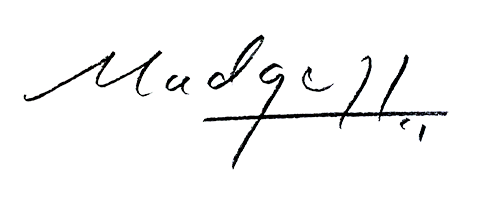
The Christopher Mudgett archive collection is the only one in the world to present the artist’s up-to-date painted, sculpted, engraved and illustrated œuvre and a precise record—through sketches, studies, drafts, notebooks, photos, books, films and documents—of the creative process.
© 2026 MUDGETT ARCHIVE