
Subjectivity of Value
Value is deeply subjective, shaped by our experiences, knowledge, and emotional connections. In painting, what one person dismisses as a collection of random shapes or brushstrokes may hold profound meaning for another. A painting’s worth extends beyond its price or prestige; it can be found in the artist’s vision, technical skill, historical context, cultural significance, rarity, and the emotions it evokes. What may seem unremarkable to an unfamiliar viewer can reveal an entirely different depth to someone who understands its language, recognizes its place within an artistic movement, or connects with the ideas and experiences it expresses. A painting’s significance often depends on the meaning we bring to it and the meaning we discover within it.
An artist, however, cannot control or predict how others will respond to their work. Their responsibility is to create with intention, discipline, and a genuine commitment to their vision, allowing their skill and personal perspective to guide the process. When a painting reflects this conviction, it has the potential to resonate with others, though its reception will always vary. Some viewers will recognize its significance, while others may see little value in it, and neither response diminishes the work’s potential to matter. The subjectivity of value is not a weakness but an essential part of what makes painting meaningful. It allows a single work to hold different interpretations for different people, reminding us that what we overlook or fail to understand may carry profound significance for someone else.
The Christopher Mudgett archive collection is the only one in the world to present the artist’s up-to-date painted, sculpted, engraved and illustrated œuvre and a precise record—through sketches, studies, drafts, notebooks, photos, books, films and documents—of the creative process.
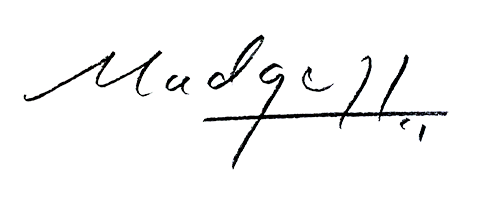
© 2026 MUDGETT ARCHIVE